Pulaski Square
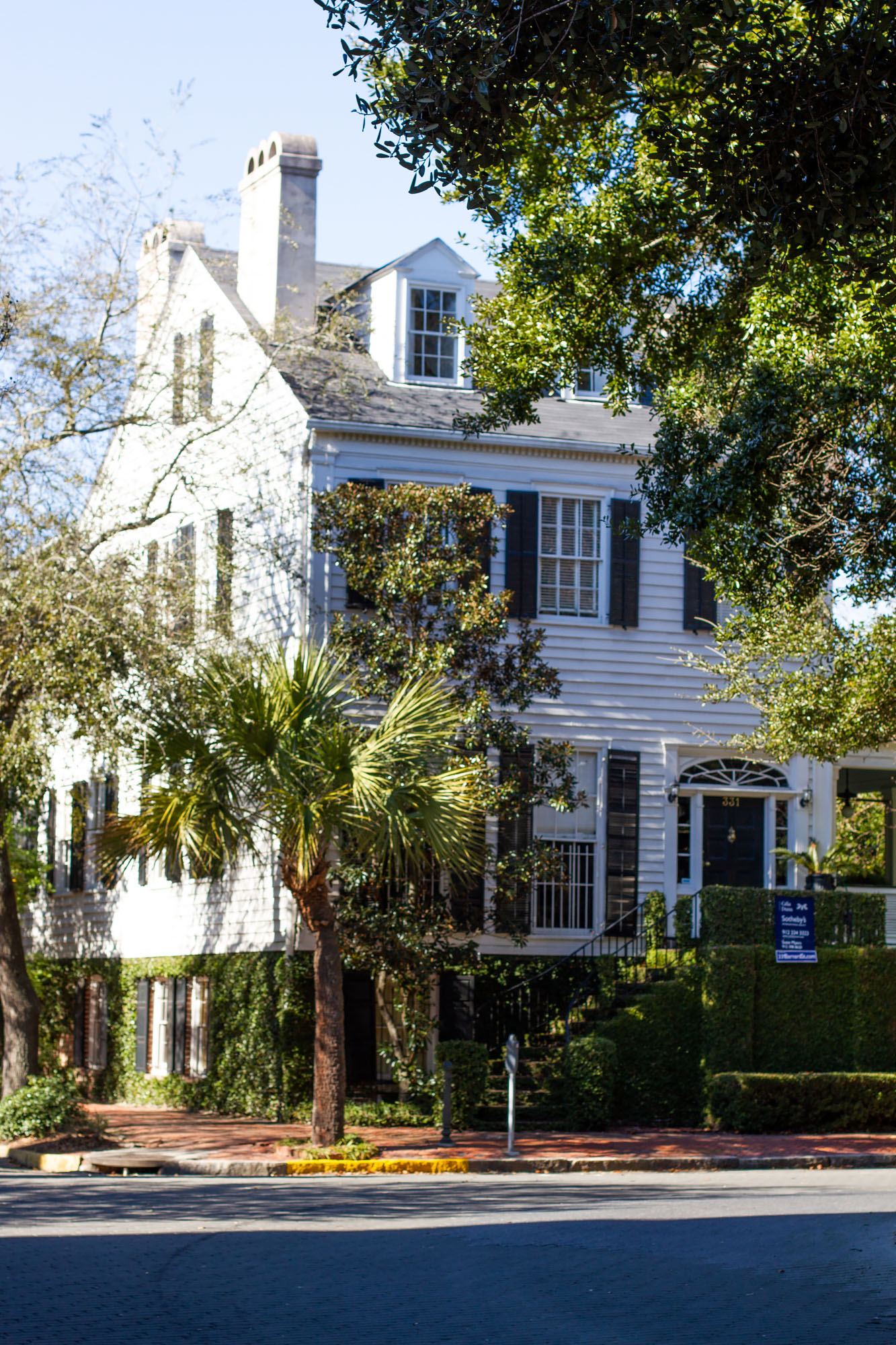
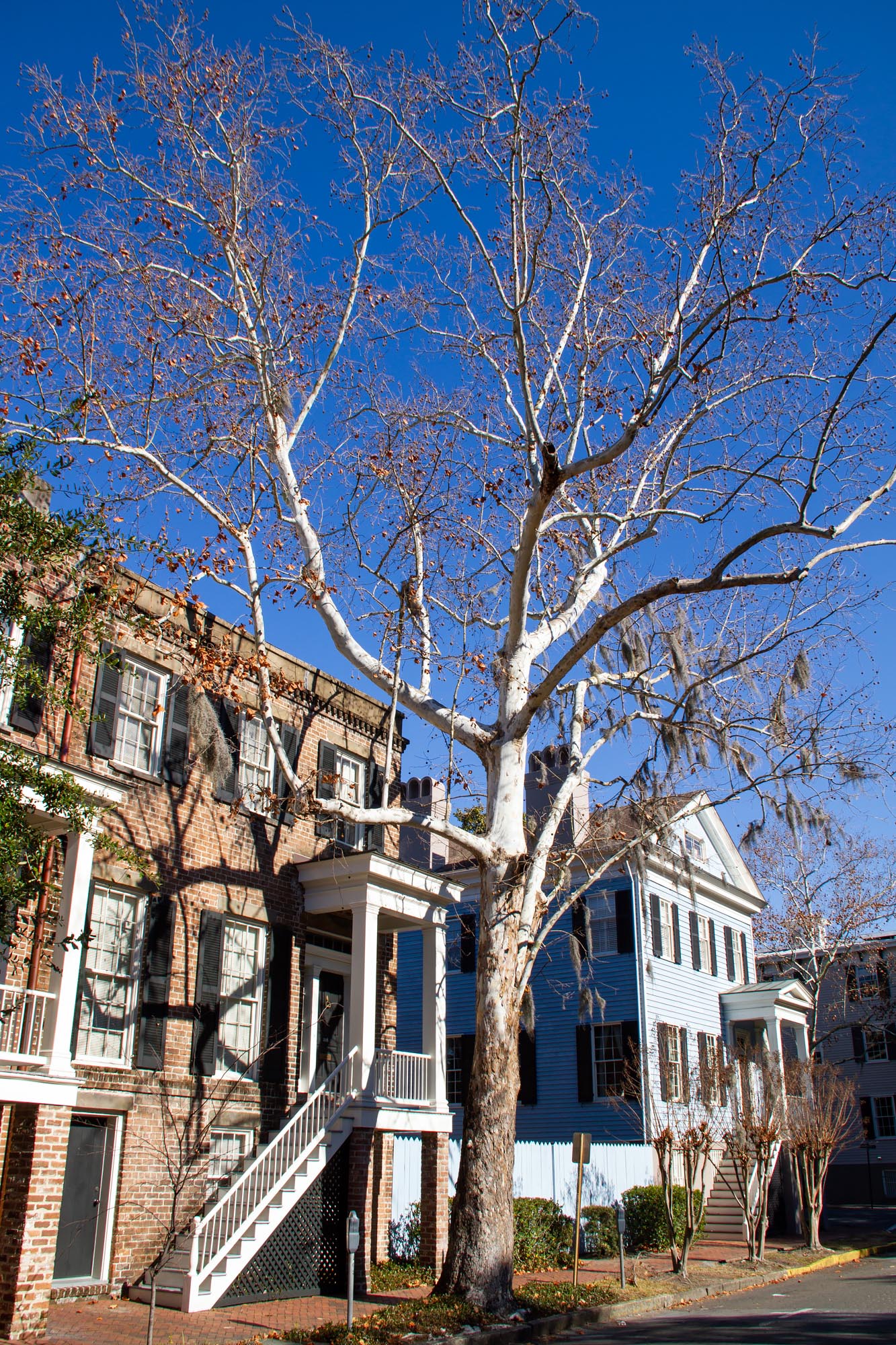
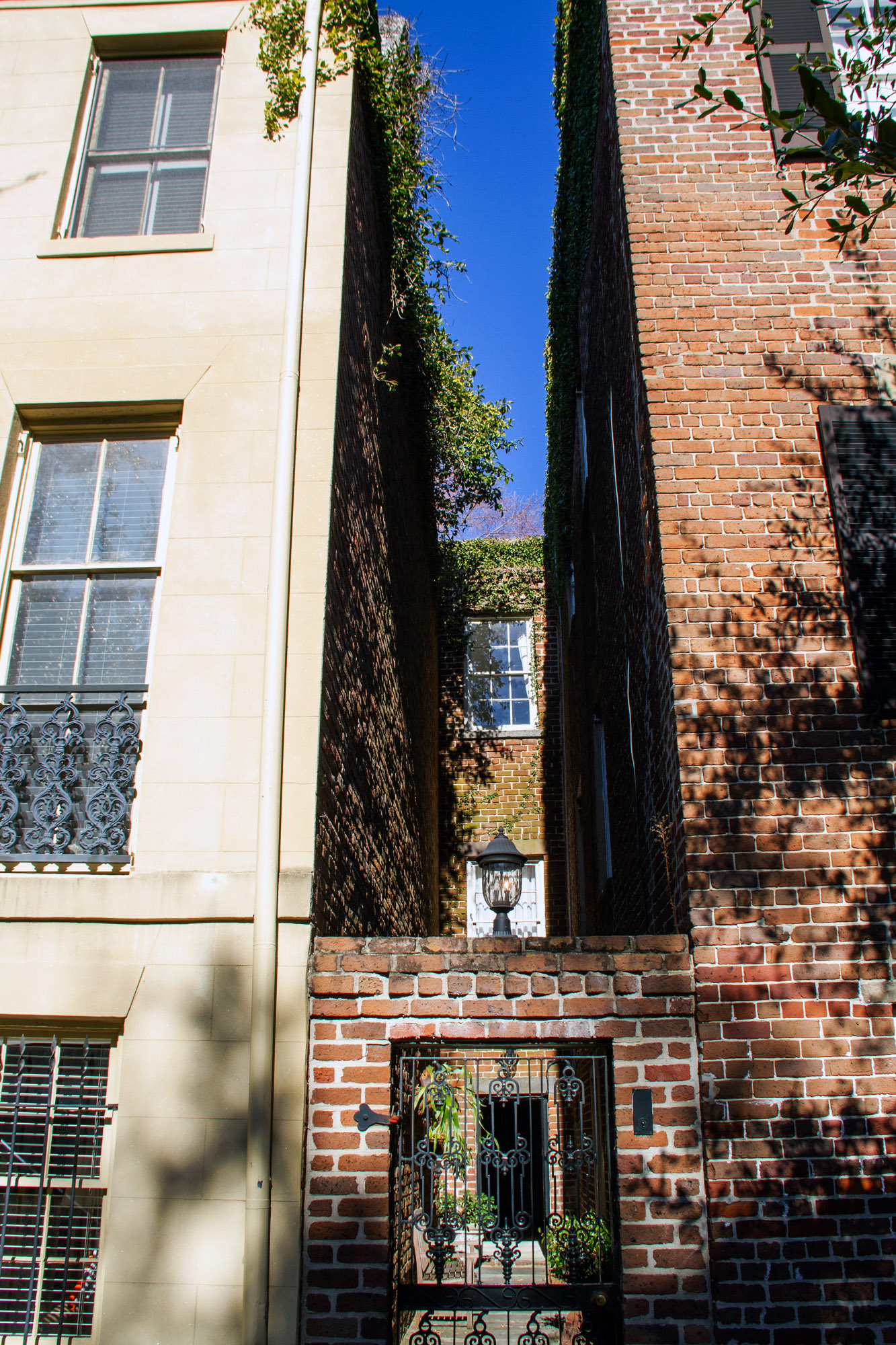
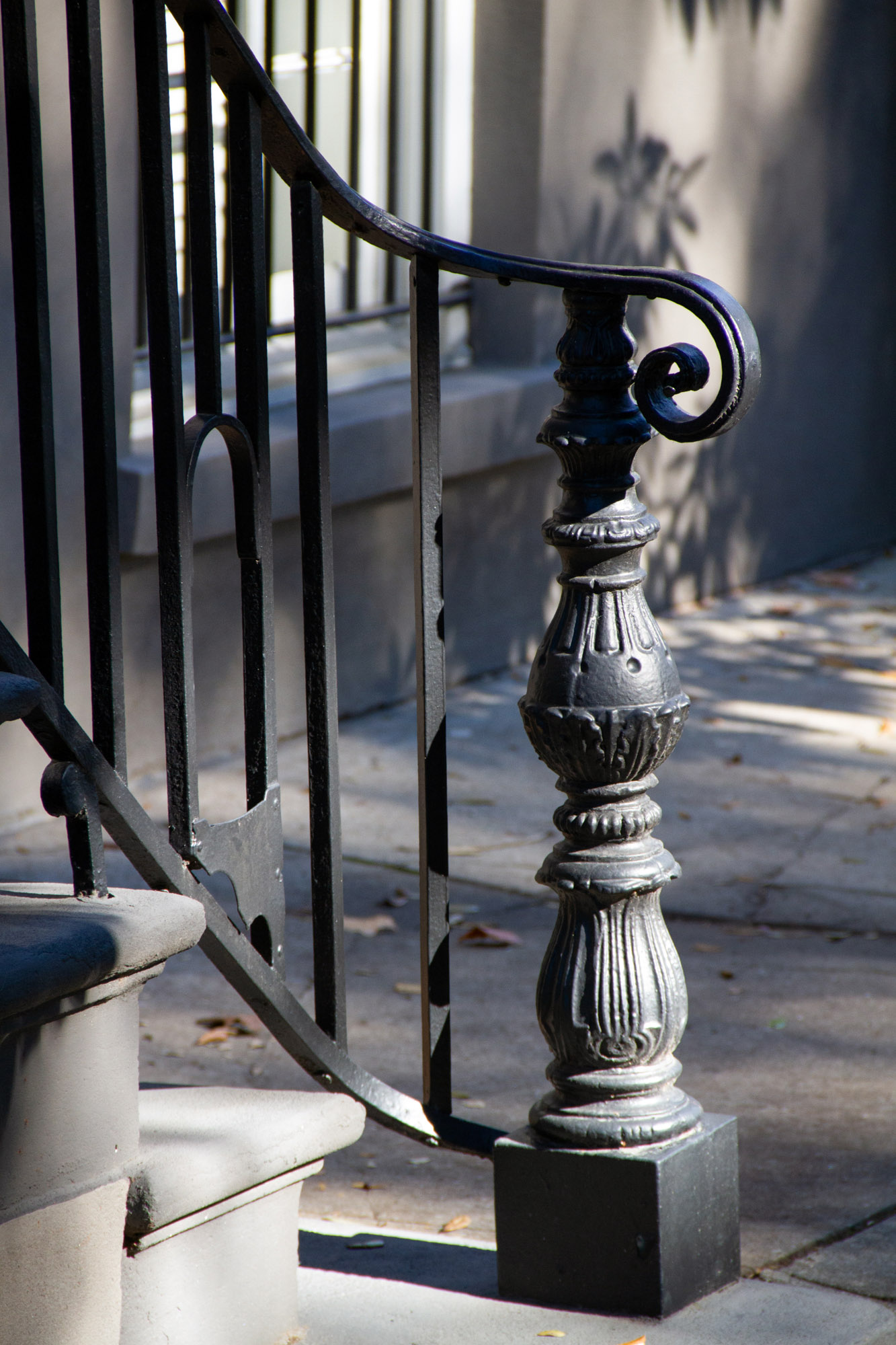
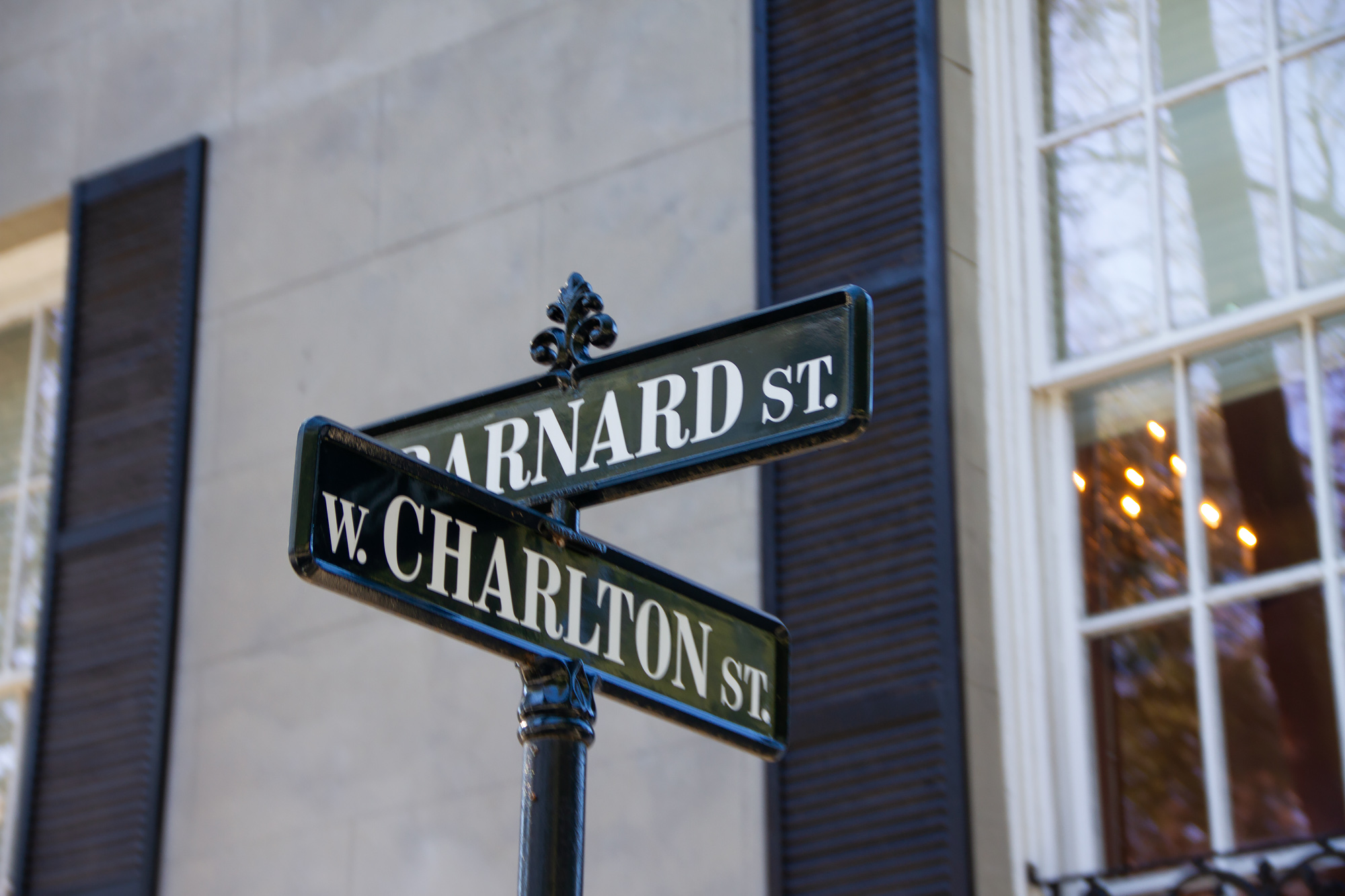
Laid out in 1837 and named in honor of the Polish revolutionary hero, Casimir Pulaski, who died during the Siege of Savannah, Pulaski Square is another of Barnard Street’s quiet, residential squares.
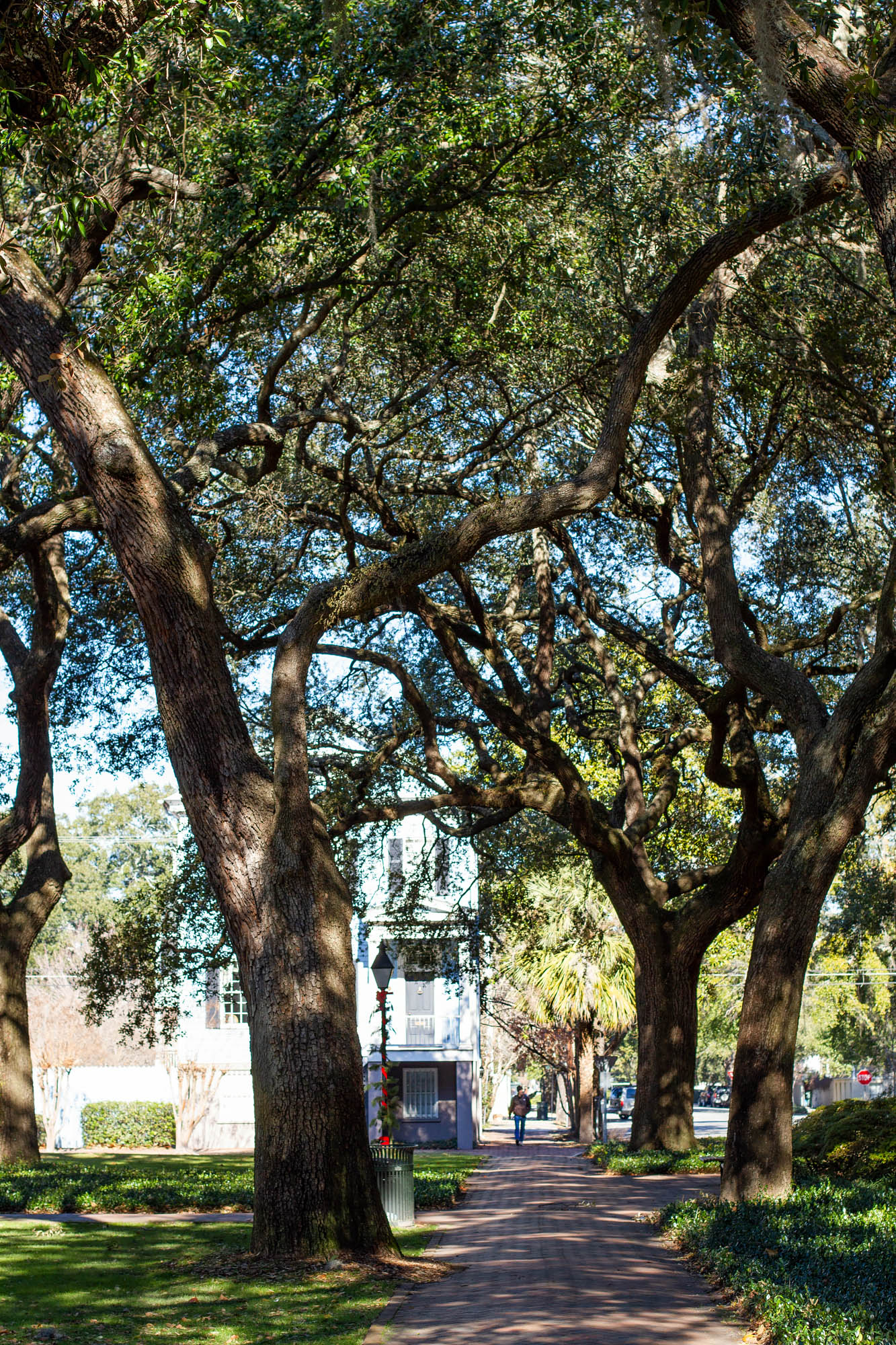
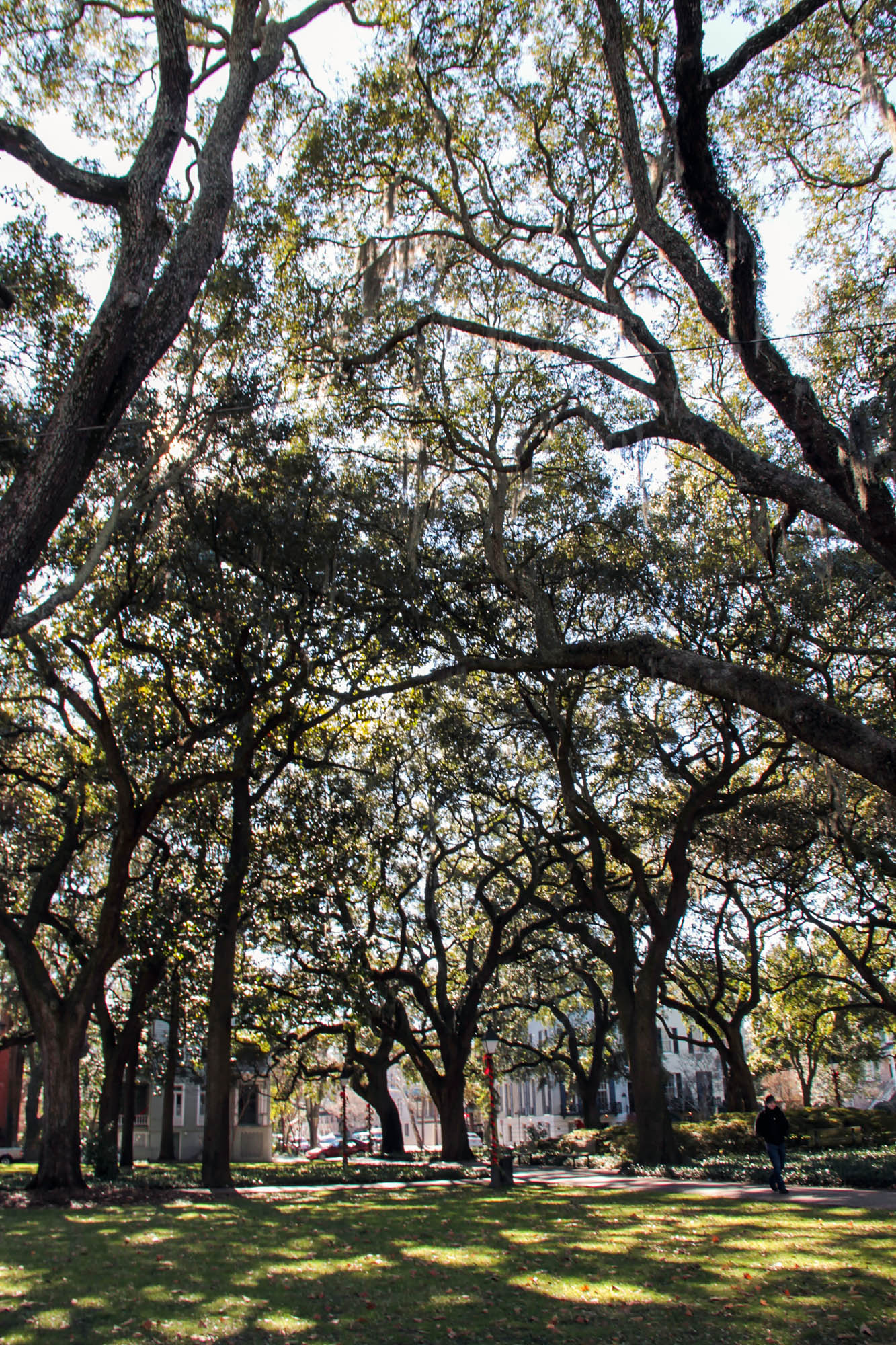
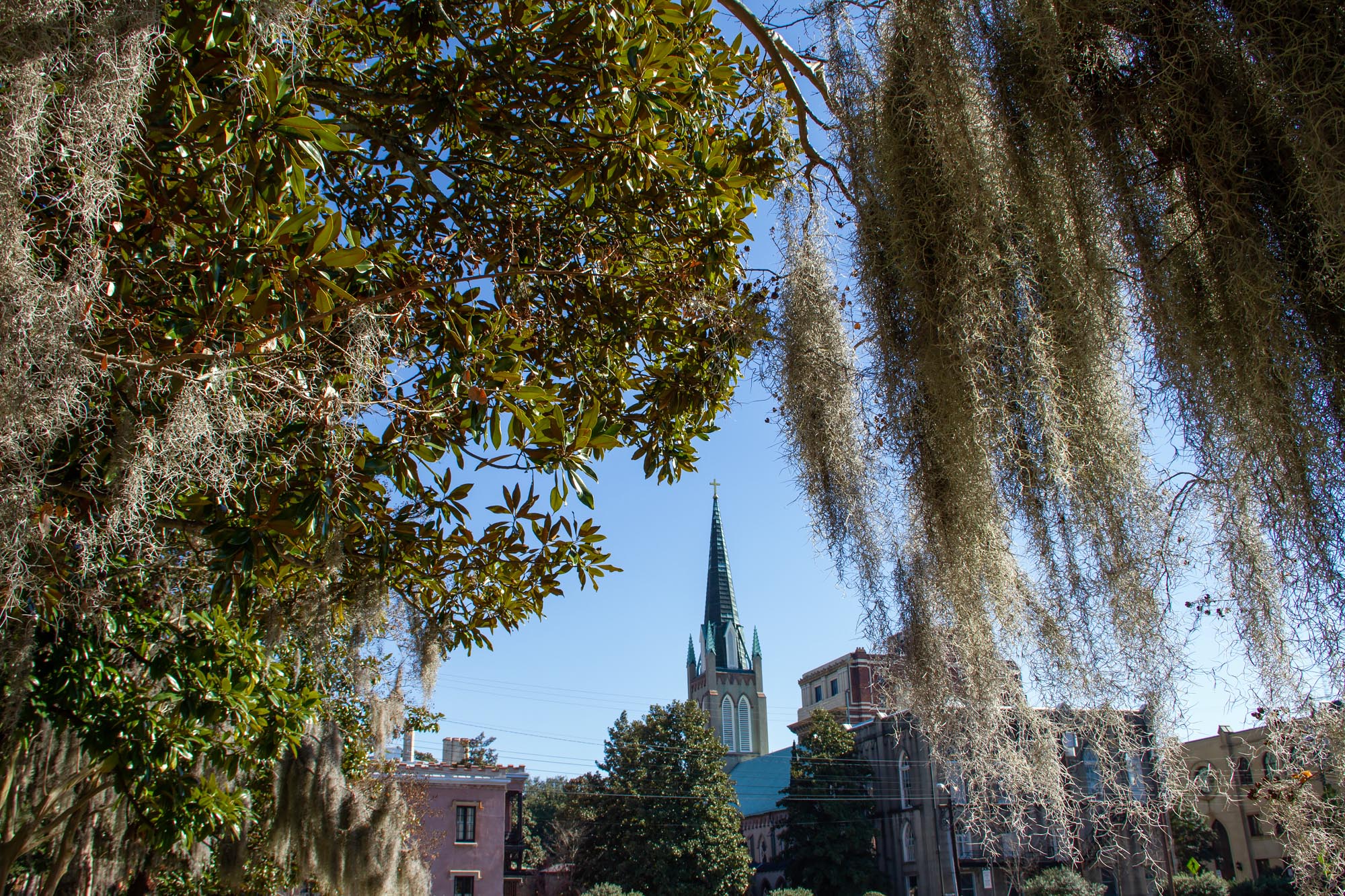
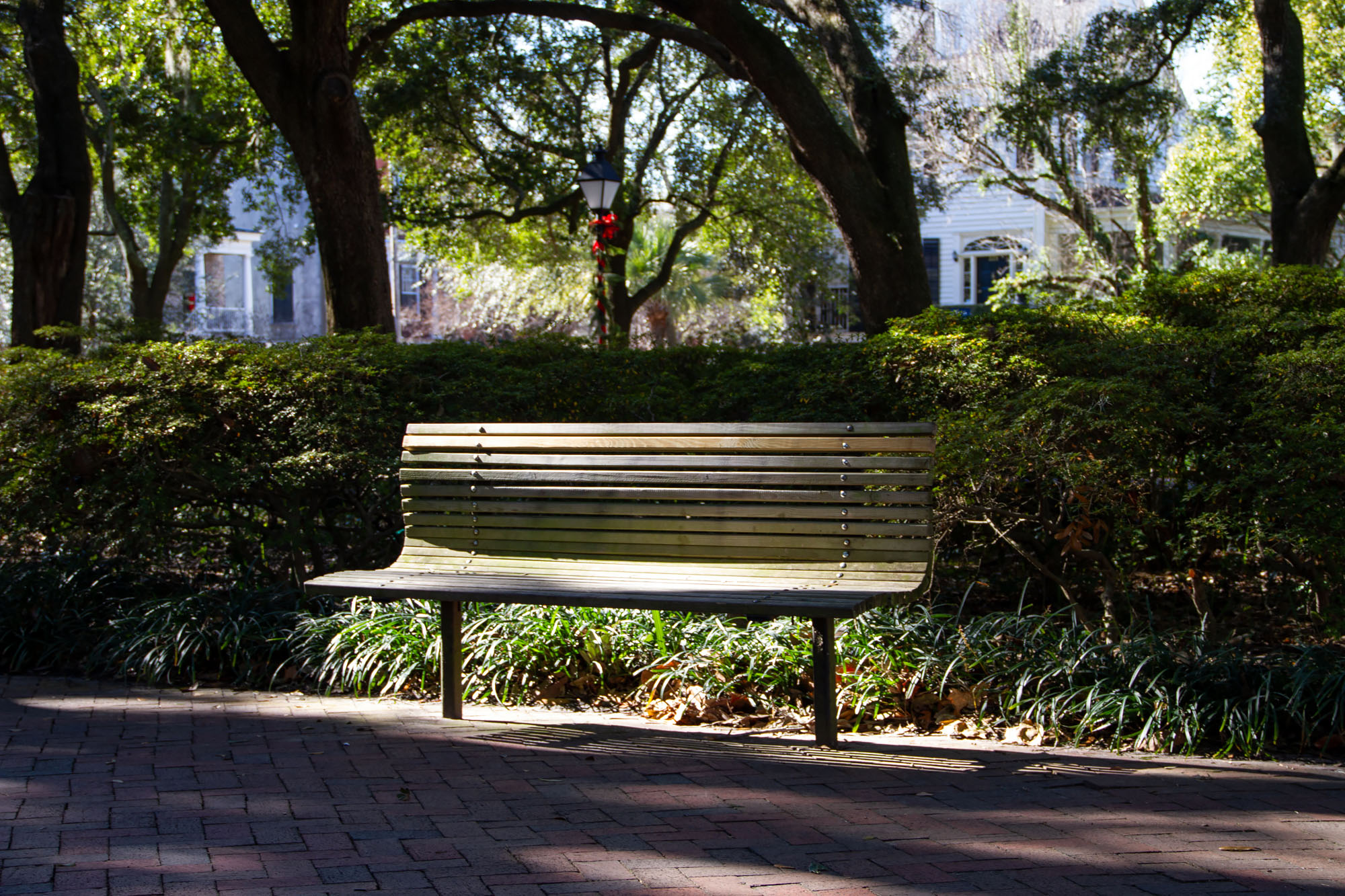
There’s not even a monument to Pulaski! This being Savannah, his memorial obelisk in Monterey Square. Duh. But even though Pulaski Square doesn’t have any monuments, it does have the most impressive collection of Southern Live Oaks of all Savannah’s squares, making it an agreeable place to pass through, or sit for a spell.
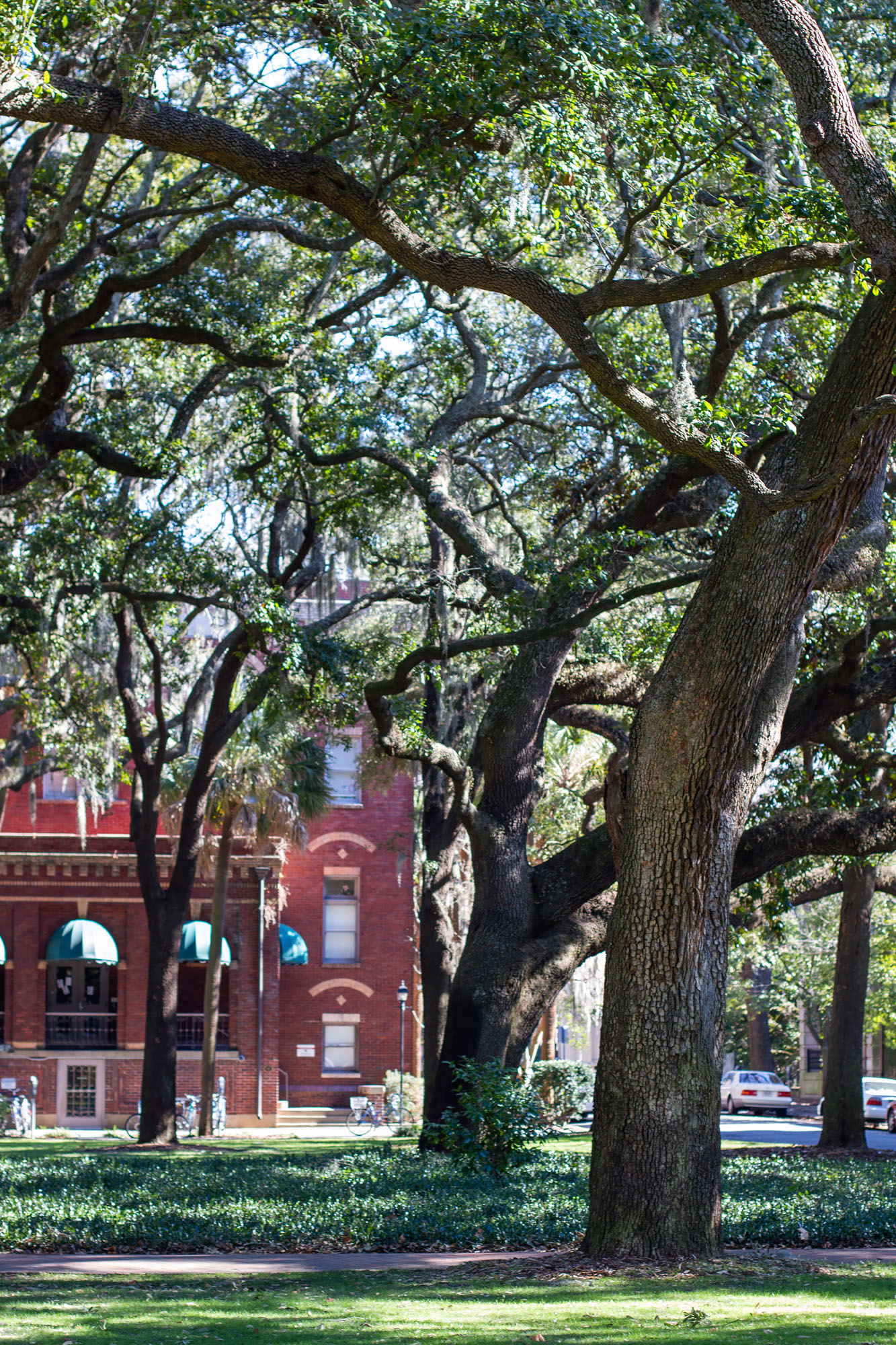
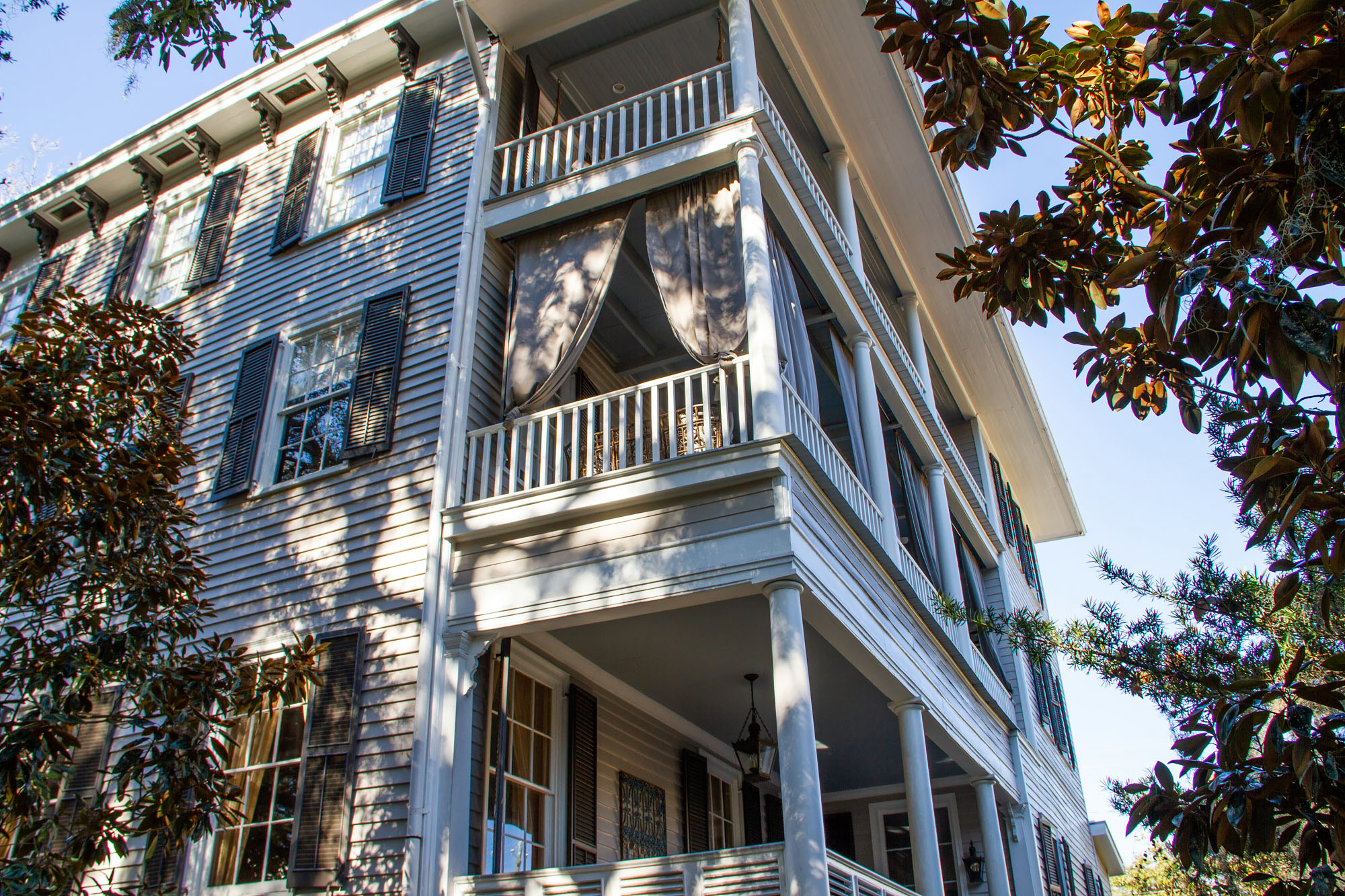
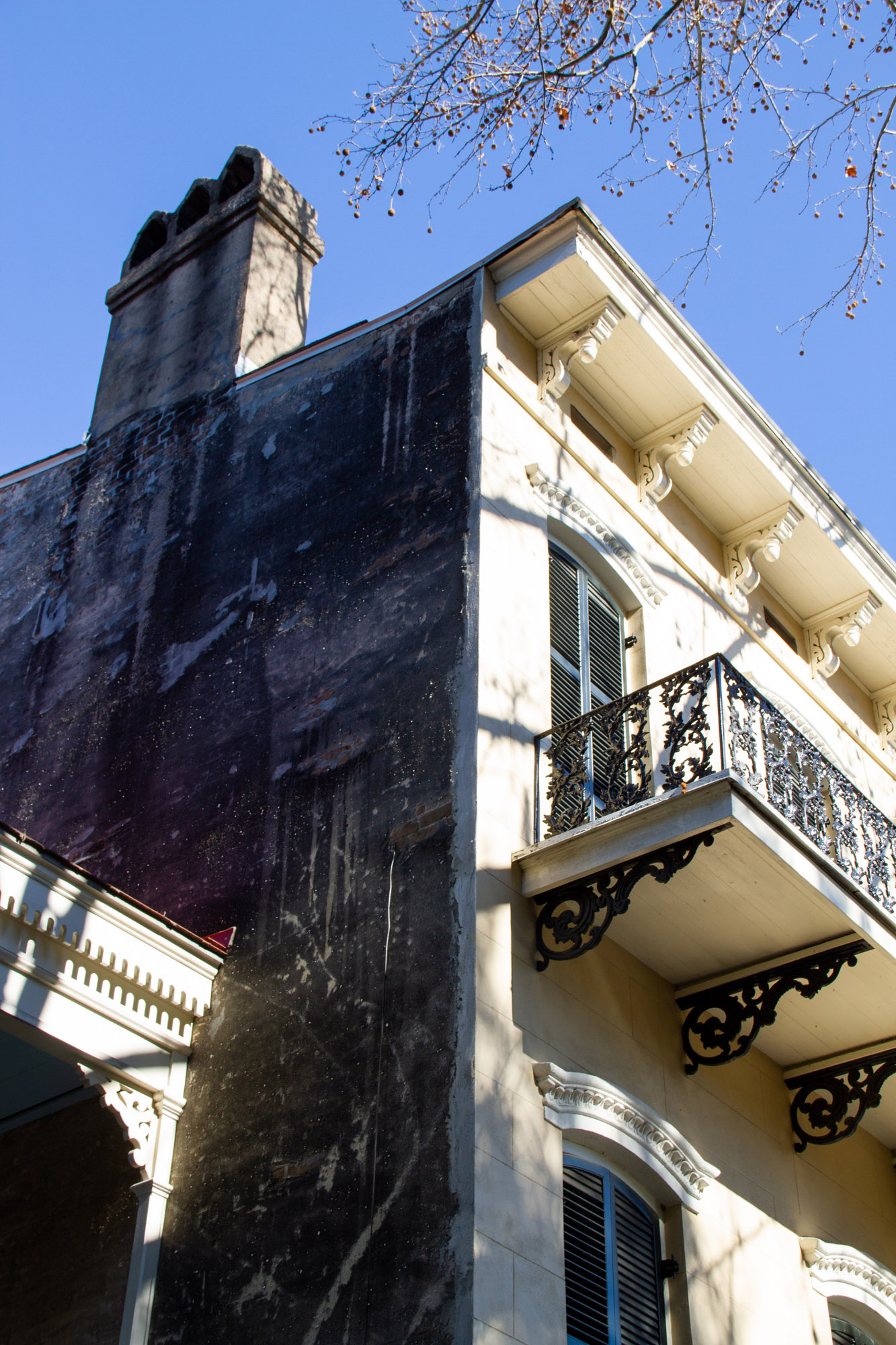
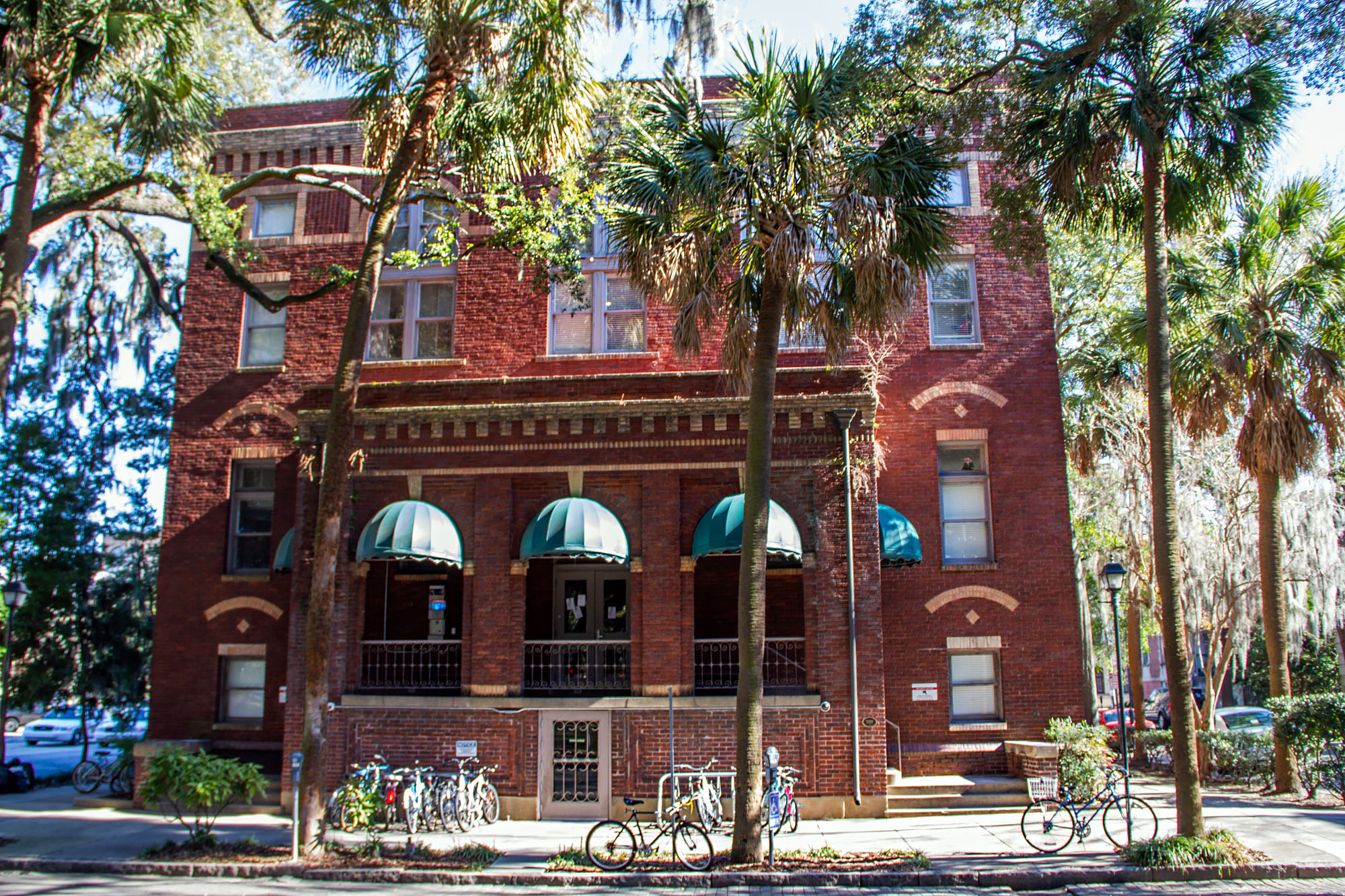
Live Oaks, gorgeous residences, Spanish Moss… let’s see, there’s something’s missing. Ah yes: SCAD, of course! There’s not a corner of the city without SCAD’s sticky, paint-caked fingers all over it. The college put its stamp on Pulaski Square in 1995 by purchasing its most stately building: the red brick Pulaski House. Originally built in 1915 by the Jewish Educational Alliance, it’s now used as a girl’s dorm.


| Other Posts You Might Like from Savannah | ...and Oviedo | ||
| Happy 2011 in Savannah | Johnson Square | First Impressions and Images of Savannah | To the Top of Mount Naranco! |
January 15, 2011 at 7:19 pm


January 16, 2011 at 10:58 amGil
| link
The artist Ray Ellis lived in the house at the NE corner of Harris and Barnard. A parrot hung in a cage on one of the porches on the side of the house. On the SE corner of the square on Charlton Street stood a vacant lot. The owner built a plug-ugly house that resembled a cartoon ship, or that’s what it looked like to me. This didn’t sit well with the late Mills Lane, founder, owner and operator of the renowned Beehive Press. Mills lived on the NW corner of Harris and Barnard. Mills bought the offensive house, razed and built a more pleasing house in its place. Mills was a cousin to another Mills Lane, the famous fight referee. The Lanes are a prominent Savannah family which quietly behind the scenes, for generations, were civic shakers and movers in Savannah and Atlanta.
January 16, 2011 at 9:33 pmWilliam
| link
You could always recognize a SCAD building by all the bikes parked out front.